


What a time to be alive! From smart tech that does the housework to generative AI trying to engage you at every turn, it feels like every day there’s a new technology trend to dazzle your imagination and improve your life. Emerging technologies are moving at a dizzying pace and it can be hard to keep up with what you need to know about. To cut through the noise, we asked the experts to tell us the technology trends to look out for in 2026 that will actually make an improvement to the way you work and play.
1. Next-Level AI
If you thought artificial intelligence was already massive, you haven’t seen anything yet. Around 49 per cent of Aussies are currently using generative AI, and we’re among the strongest adopters of generative AI in the workplace with 84 per cent of us using the technology at work. But in 2026, AI will stop being simply a tool used to generate images and text, and start becoming the platform. Leading this evolution is Qualcomm, best known for the Snapdragon processor chips found in many of the world’s leading laptops and phones. Snapdragon has AI built directly into its new 2026 chips.
What Does This Mean for You?
In 2026, you won’t be powering up your device and then opening an AI app when you need it. The device itself will be AI, using its intelligence to drive better battery life, more power and smarter user efficiency.
“By 2026, advances in semiconductor technology, [the materials that power microchips], will make powerful AI capabilities more affordable and accessible across a broader range of devices, from noise-cancelling headphones, Wi-Fi routers and smartphones to cars,” says Nathan Wilson, director, business development, Qualcomm ANZ.
“Qualcomm believes that AI will become the UI (user interface), fundamentally redefining how you interact with your devices. Rather than being seen as a standalone feature, AI will be seamlessly embedded into the core user experience, fuelling real-time, on-device intelligence that is personalised, contextual and increasingly autonomous.”
What to Try
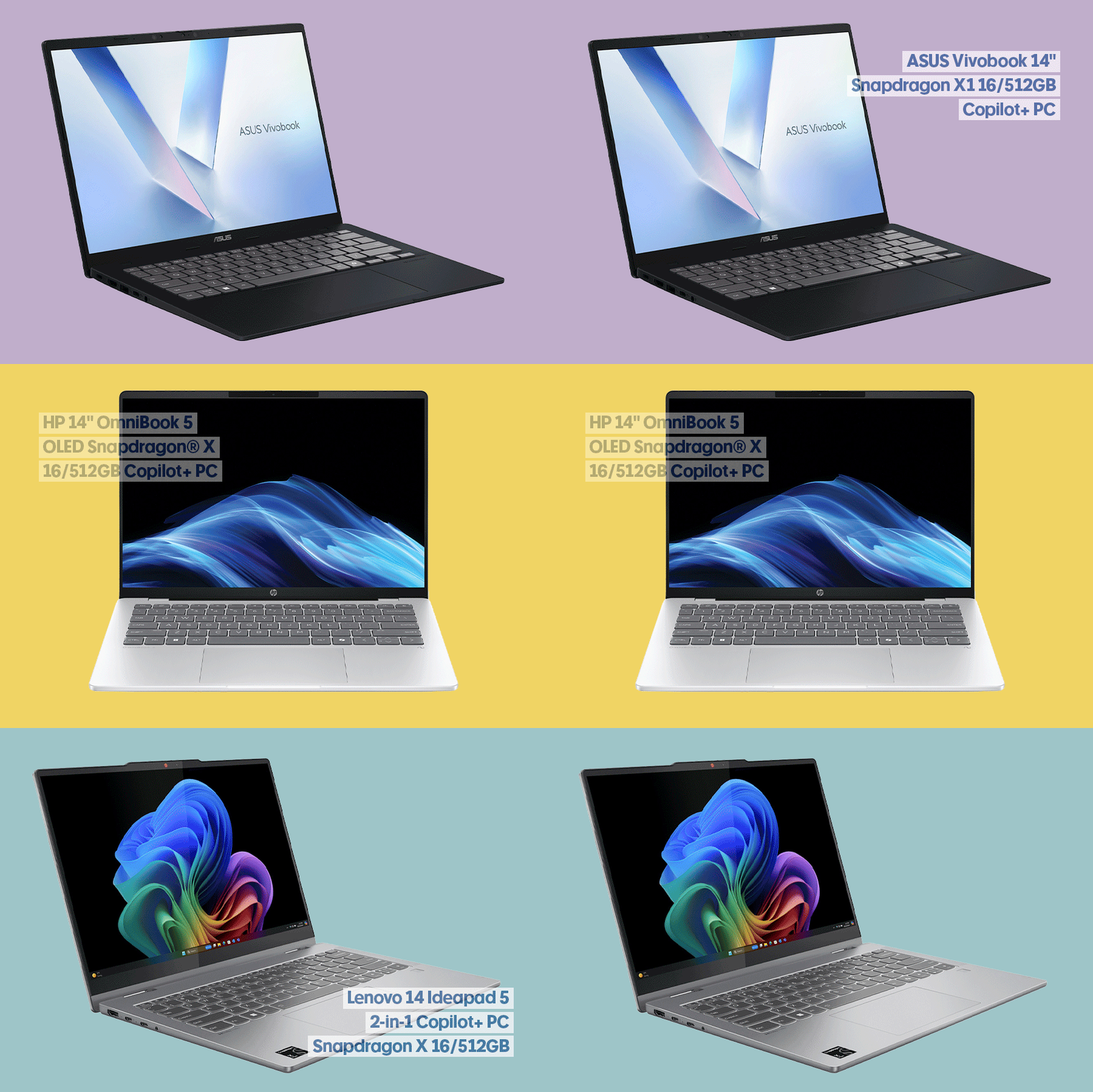
- ASUS Vivobook 14" Snapdragon X1 16/512GB Copilot+ PC
- HP 14" OmniBook 5 OLED Snapdragon X 16/512GB Copilot+ PC
- Lenovo 14 Ideapad 5 2-in-1 Copilot+ PC Snapdragon X 16/512GB
SEE ALSO: 8 Tech Tools to Make Life Easier
2. Even Faster Wi-Fi
Did you know Australia’s National Broadband Network (NBN) is making dramatic changes to fibre-to-the-premise internet speeds? The base plan alone is leaping from 100/20 to 500/50 megabits per second and in order to make the most of this speed increase, you’ll need to have the right home network and device ecosystem. This is why veteran tech journalist Nick Ross, editor-in-chief of High Performance Laptops and SMBtech, believes upgrading your home to Wi-Fi 7 will be a big trend in 2026.
What Does This Mean for You?
Faster download speeds for consumers and businesses, says Nick. “This won't just make file transfers quicker, it will remove bottlenecks stemming from multiple, simultaneous users and smart-device connections.”
If you upgrade to a Wi-Fi 7 router, but have a Wi-Fi 6 or older device (such as a phone, laptop or TV), not all the speed will be captured by your device, so you may need to look at upgrading devices as well.
“A Wi-Fi 7 laptop connected to a Wi-Fi 7 router that's connected to a fast NBN connection should immediately experience a boost in connection speed, range and latency,” says Nick. “Many Wi-Fi 7 routers will also self-optimise for things like wireless interference and can notify you of other issues, too.”
What to Try
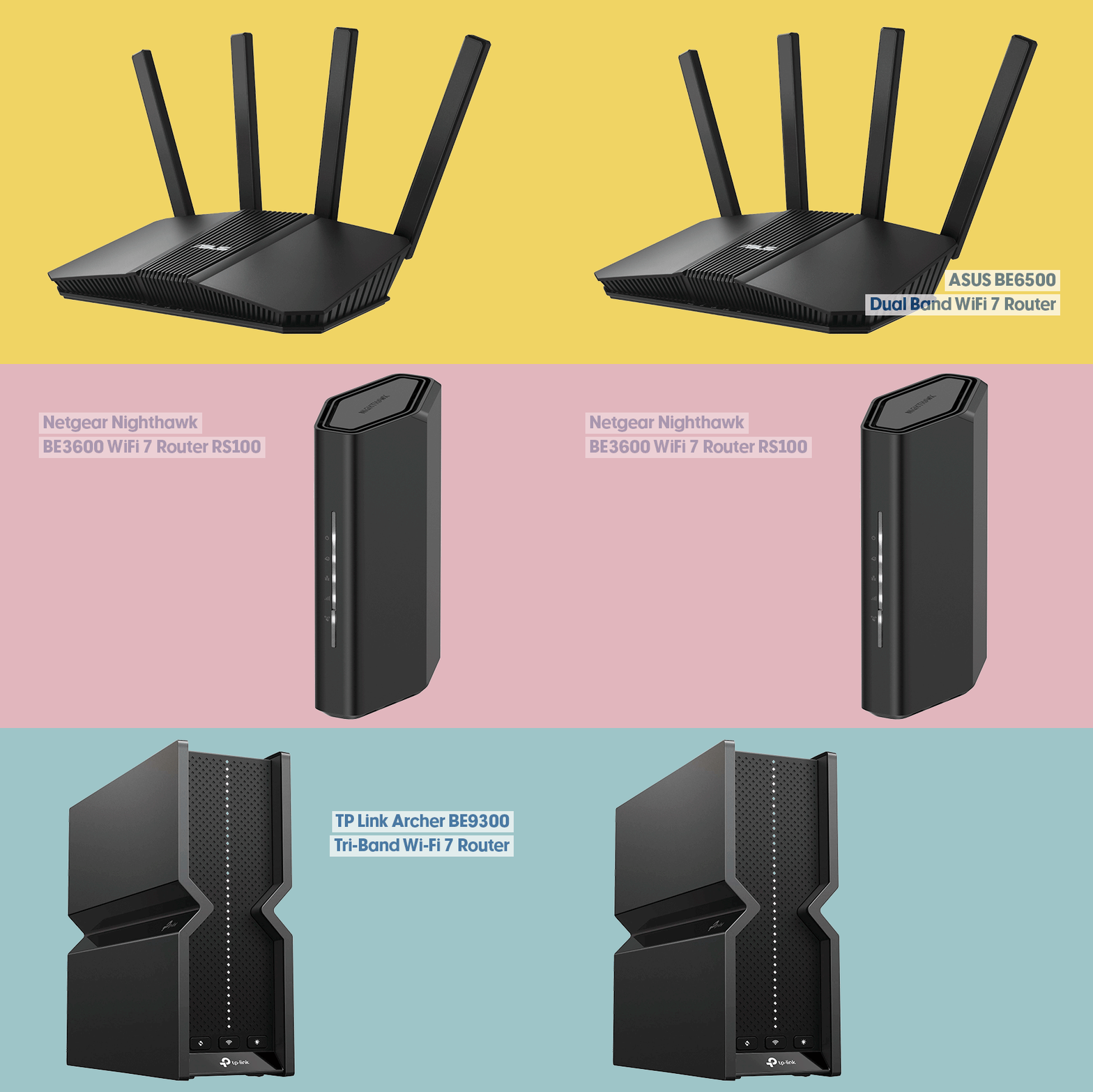
- ASUS BE6500 Dual Band WiFi 7 Router
- TP Link Archer BE9300 Tri-Band Wi-Fi 7 Router
- Netgear Nighthawk BE3600 WiFi 7 Router RS100
3. The Evolving Internet of Things
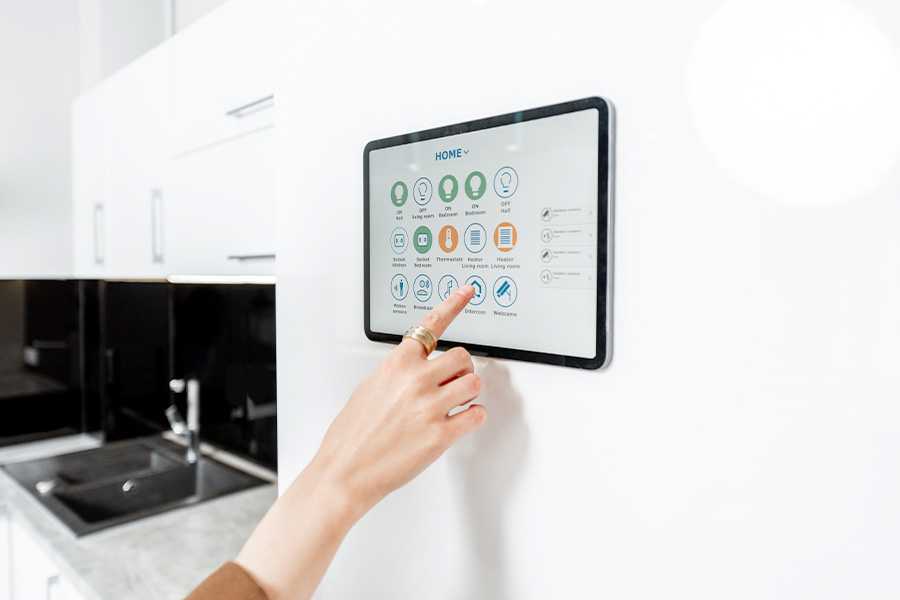
Who would have thought a smart home could get smarter? Smart, in this context, isn’t just about devices being able to connect to the internet, but in 2026, talking to each other, too. This conversation is referred to as the ‘internet of things (IOT)’ and by 2029, 92.5 per cent of all homes will be considered ‘smart’.
The journalists at WhistleOut spend their days comparing home technologies and managing editor Georgia Dixon has been following the IOT trend. “We’re seeing more and more household appliances become ‘smart’; think washing machines, dryers, dishwashers, fridges and ovens. We expect this trend to continue, allowing Aussies both more flexibility in scheduling household chores and better energy efficiency, as many smart appliances can create custom programs that use less electricity than a traditional program.”
You can also add the likes of printers, doorbells, phones, light bulbs, curtains, coffee machines, TVs, laptops and security cameras as part of the growing smart home ecosystem.
What Does This Mean for You?
If you don’t have a smart hub already, you might be in the minority at the end of 2026 when we’ll see more Australians look to hubs such as the Tapo smart hub to link devices together. As Georgia explains, there’s a fresh evolution incoming.
“There is a new smart home standard called Matter, which is slowly rolling out and allows for universal compatibility across any brand or smart home ecosystem, so if you want to futureproof your setup, look for Matter on the box,” says Georgia.
What to Try
- TP-Link Tapo P100 Smart Plug White
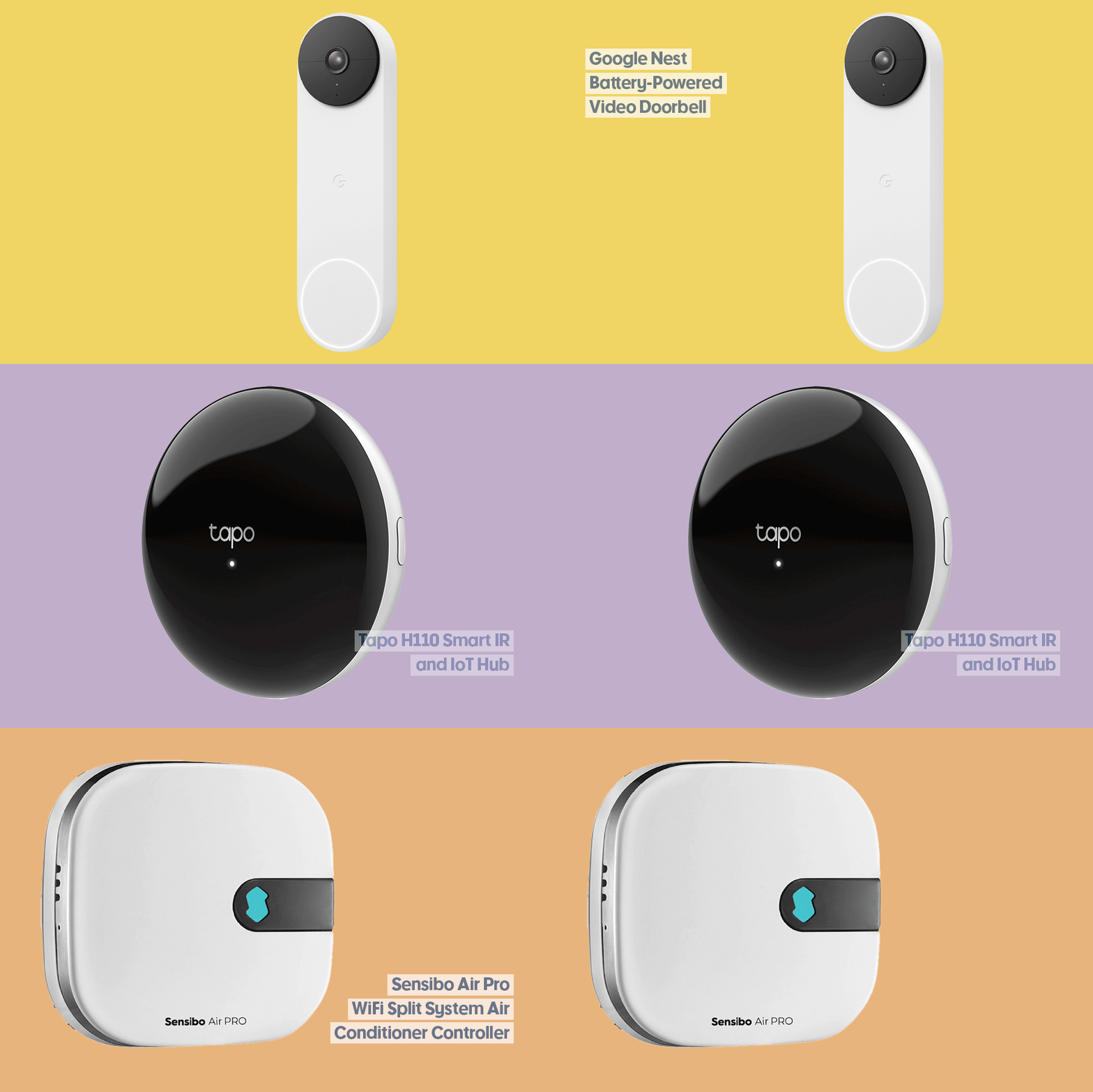
- Tapo H110 Smart IR and IoT Hub
- Google Nest Battery-Powered Video Doorbell
- Philips Hue Go MK2 Bluetooth White and Colour Ambience
- Sensibo Air Pro WiFi Split System Air Conditioner Controller
SEE ALSO: Smart Home Products for an Effective Home Office
4. Smart Tech Does the Housework
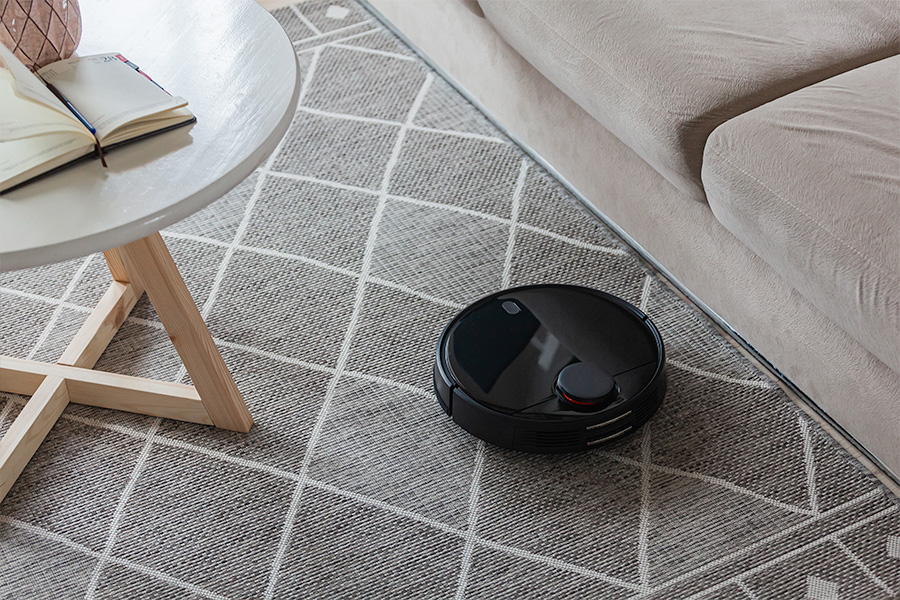
How do you feel about spending less time doing chores and more time enjoying life? Sounds great, doesn’t it? Mops, window cleaners, pet care aids and support devices for the elderly are driving home tech, but vacuums lead the way. In 2026, up to 22 per cent of homes will have robovacs doing that dirty work.
One of the biggest companies in home cleaning tech is Ecovacs, and regional director (ANZ), Karen Powell, has been preparing for the boom. “Our research reinforces that many Australians are incredibly time poor; 93 per cent of Australians report cleanliness to be a highly important factor in their mental and physical wellbeing, with 59 per cent of those surveyed expressing strong intent to purchase their very first robotic vacuum over the next 12 months.” Ecovacs and other cleaning tech manufacturers are racing to meet this demand with innovative new features.
What Does This Mean for You?
Instead of getting wedged in awkward spaces and spinning in circles, you’ll be looking at more sophisticated robo cleaners on the market, says Karen. “[In 2026], it’s about focusing on three key areas – cleaning, convenience and intelligence. The key features to look out for are new technologies such as roller mopping, which self-refreshes as it moves; fast-charging and powerful self-cleaning hubs with auto-empty and mop washing; and AI integration that can respond to unique environments.”
What to Try
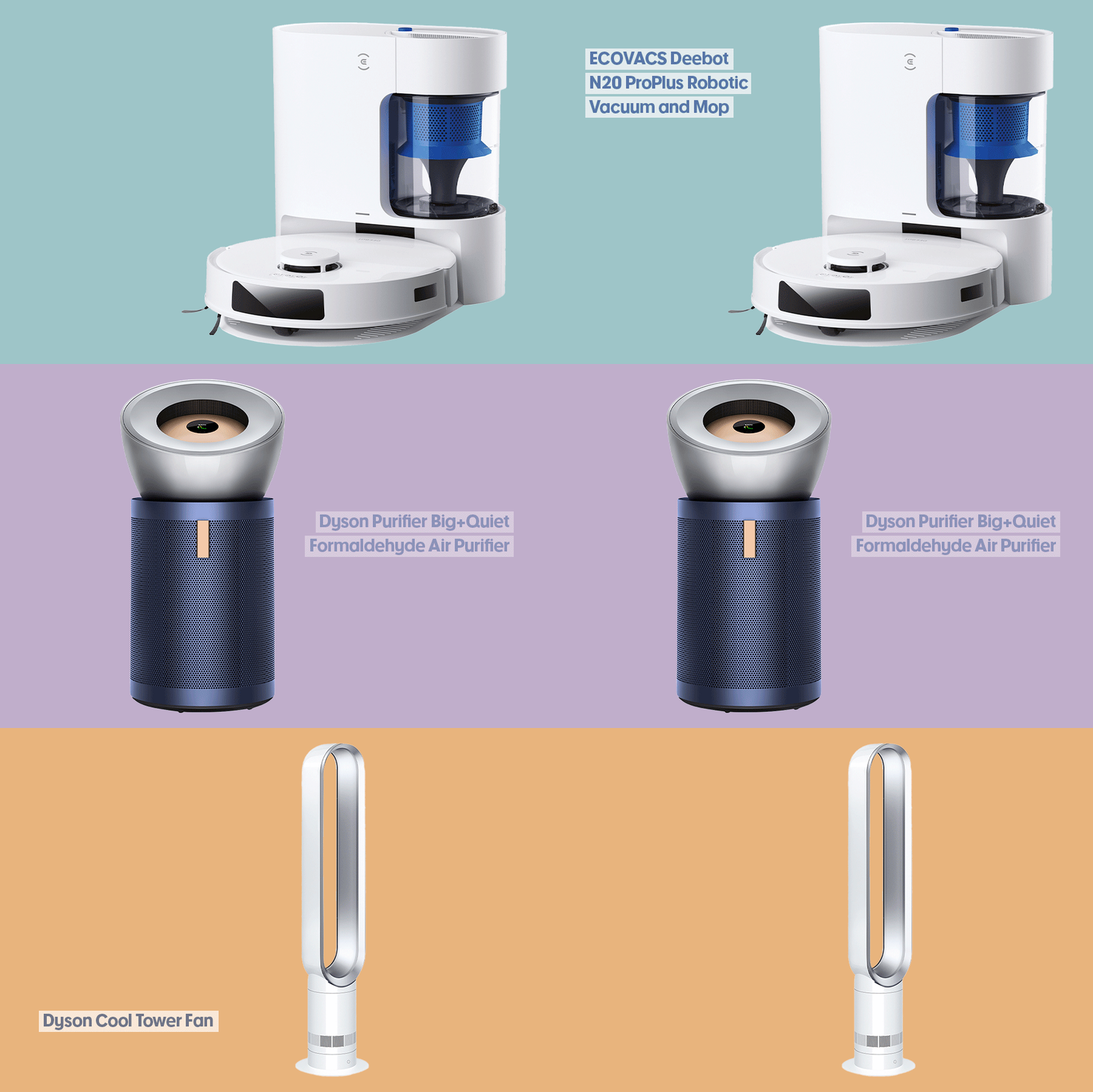
- ECOVACS Deebot N20 ProPlus Robotic Vacuum and Mop
- Dyson Purifier Big+Quiet Formaldehyde Air Purifier
- Dyson Cool Tower Fan White/Silver
- Winix Australia Compact 4 Stage Air Purifier
SEE ALSO: Your Guide to Smart and Small Home Appliances
One to Watch: The Return of Flip Phones
The smartphones we pull out of our pockets will look a little different in 2026. Traditional handsets simply aren’t as hip as they used to be, with downsizers opting instead for flip phones that fold in half thanks to a flexible OLED screen, with Samsung and Motorola driving the trend. Rollable phones will also arrive, providing a futuristic phone variant where the screen size can increase on demand.
One to Watch: Extended Reality
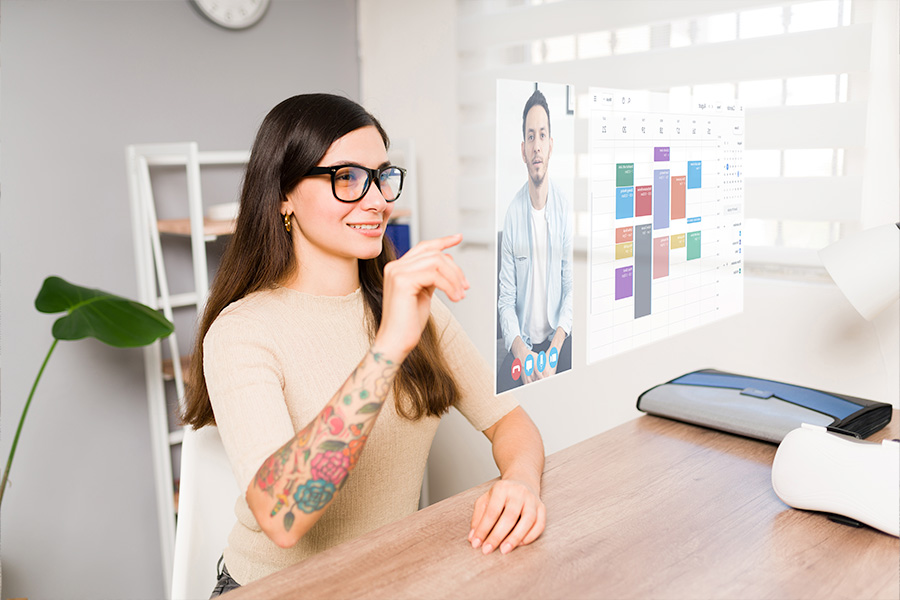
We’ve had virtual reality (VR), augmented reality (AR) and mixed reality (MR), but in 2026, everyone will be talking about extended reality (XR), an umbrella term that covers all forms of combined real-and-virtual environments. It’s via smart glasses that XR is expected to trend. They shrink the experience of VR, AR and MR headsets down to a user-friendly size, while using voice, gestures and even gaze as the controllers. In the future, using XR, you could view a rental property virtually or attend a business meeting in Singapore from your office in Melbourne.
