


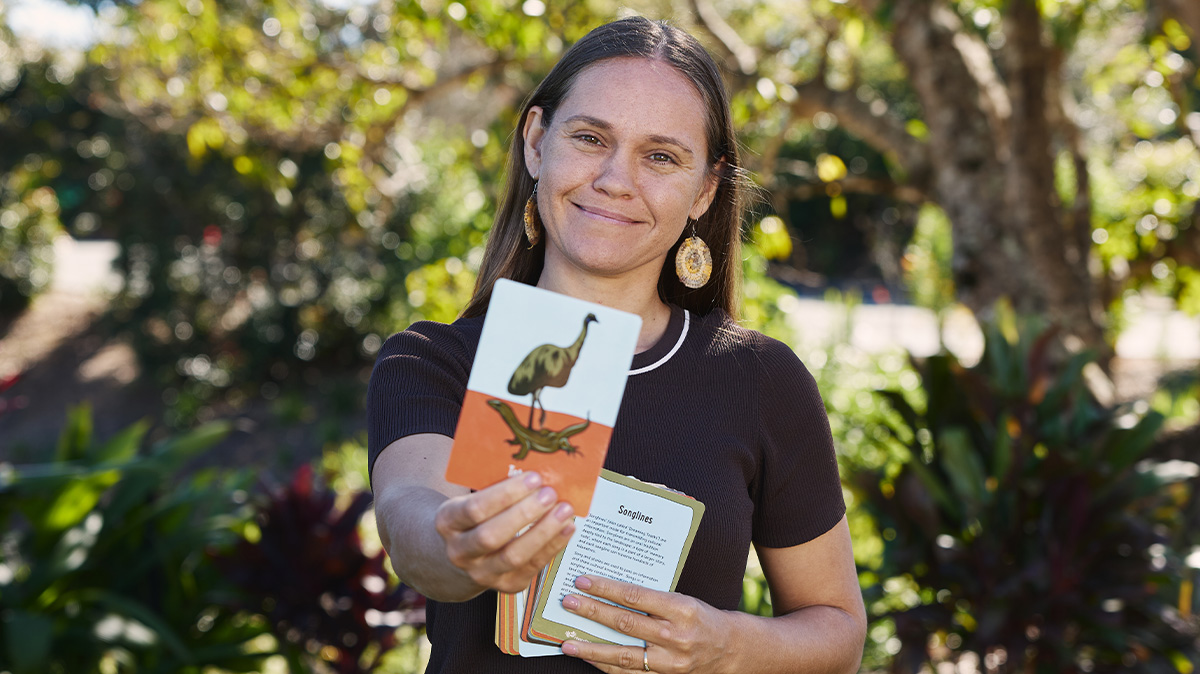
When Debbie Hoger needed a name for her small business, she didn’t have to look far. “Riley is my son’s middle name, and Callie is my daughter’s middle name,” says Debbie.
And so, Riley Callie Resources was born. It was 2015 and Debbie, a Dunghutti woman, was in the thick of early parenthood. “I started my business for and because of my children. I didn’t want to go back to a nine-to-five job, I wanted to be at home with them.”
The idea for Riley Callie Resources was sparked when her son started three-year-old kindergarten in Victoria. “Walking into his classroom, I could see Indigenous and First Nations resources, but they were kind of scattered, and I thought, ‘There’s definitely a need here’. We need to see more of our culture represented in the early childhood space,” says Debbie.
With a background in anthropology and no formal business training, Debbie used her kid’s nap and bedtimes to watch online tutorials to learn how to build a website and keep on top of the accounts. “Then I sent out emails to local kindergartens, preschools and play groups to introduce myself and see if anyone was interested.”
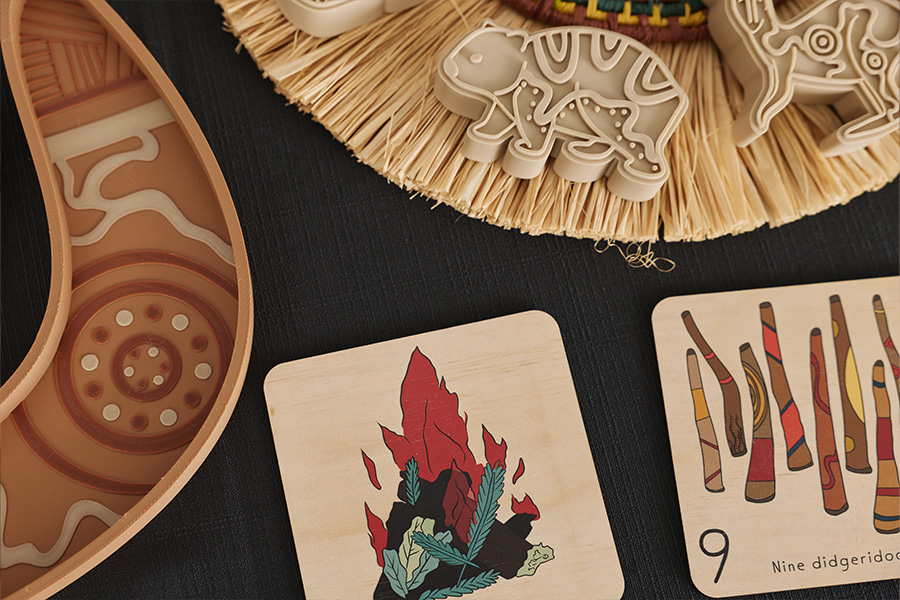
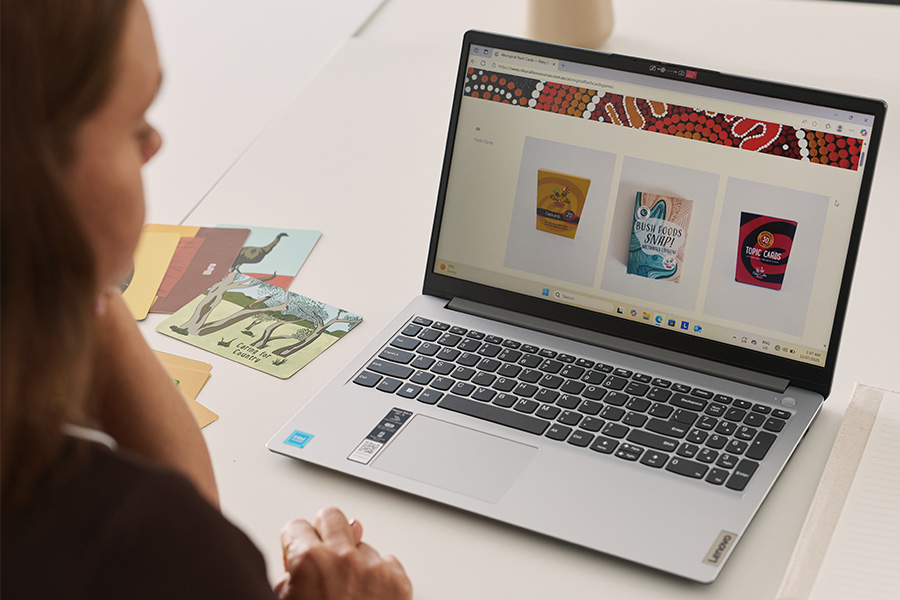
Her first product was a self-published set of Indigenous STEM resources. “I love seeing our culture shared through STEM in the classroom,” says Debbie, now based on the Sunshine Coast. As the business grew from a side hustle, so did the product range, which includes the popular Aboriginal Symbol Cards and Bush Foods Snap Cards.
Explore the Range
- Bush Foods Snap Cards 40 Pack (online only)
- Aboriginal Symbol Cards 20 Pack (online only)
- Aboriginal Science Topic Cards 25 Pack (online only)
- Yarning Cards 25 Pack (online only)
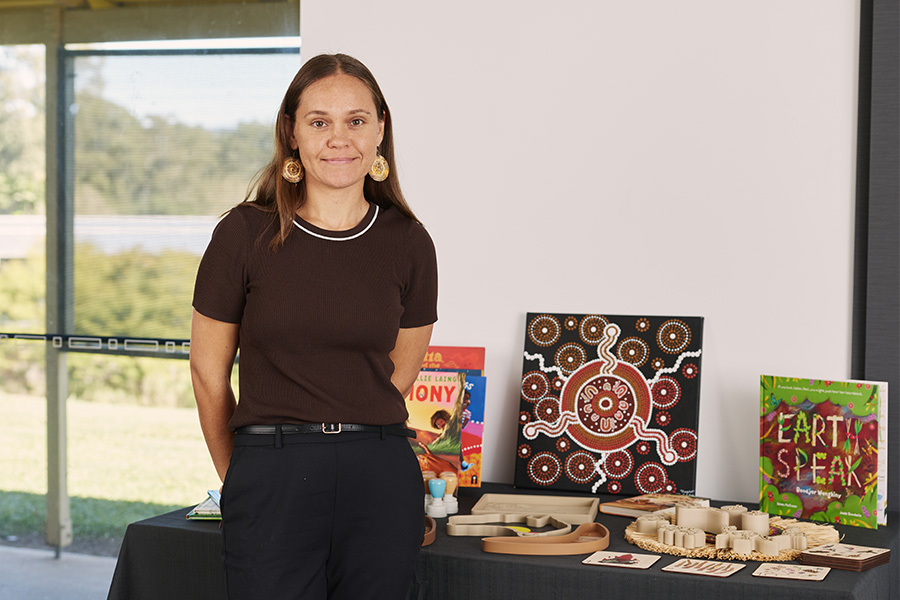
Debbie’s Daily Routine
Follow a Morning Routine That Sets You Up for Success
“My mornings start by getting the kids ready for school; I pack their bags and lunches and get them where they need to be. Usually I’ve got my orders from the day before packed up and ready to go, too. Around 8.30am I go into my local town, and I’ll lodge all my orders at the post office. I know that you can do it all online now, but I actually really enjoy getting my local coffee and going into the post office. They know me by name and I know them.”
SEE ALSO: Small Business Success Stories With DeadlyScience
Create a Network of Trusted Partners
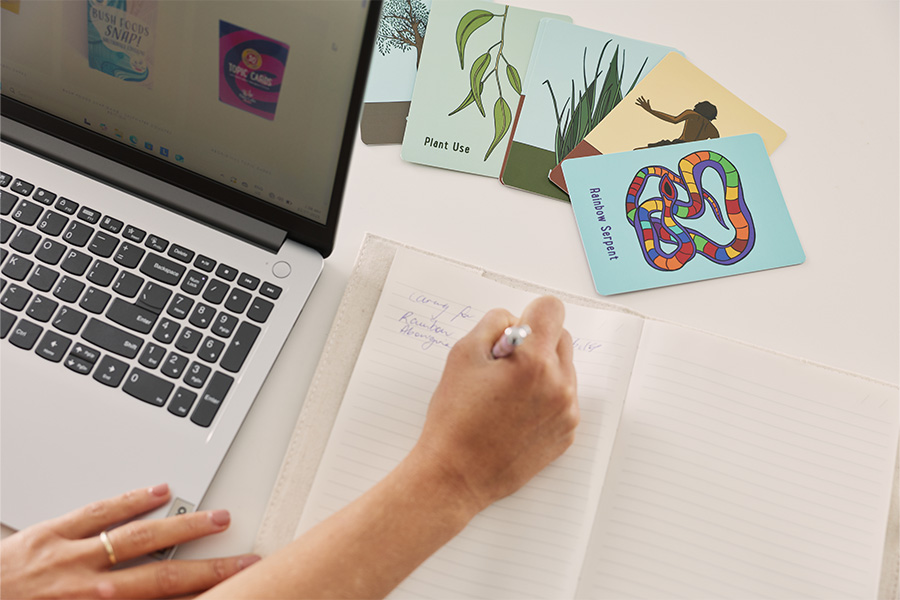
“I get back home at 9am and that’s when my day-to-day business stuff happens. Everything from packing new orders and responding to customer enquiries, to developing new products and liaising with suppliers. The business is just me, but I work with a wide network of other small businesses, particularly Indigenous-owned ones. I create the content and then I get an Indigenous designer to put it into whatever format it needs to be, and then it goes to my Indigenous printer in Melbourne. So, it’s about supporting Indigenous businesses every step of the way where I can.”
Find a Work-Life Rhythm That’s Right for You
“I finish up at 2pm, and go to pick the kids up from school. Then we have after-school activities, so it’s full-on mum mode in the afternoons. But I run my business very much on the go. While the kids are at soccer training, I’ll be on my phone sending emails or putting up social media posts. I work off my phone a lot, probably just as much as I do using my computer at home, because I’m always on the go with the kids.”
Make Space For Busy Times
“My busiest times are when I have wholesale orders and I’m boxing hundreds or thousands of sets of cards myself here at home and during peak seasons, especially Reconciliation Week and NAIDOC Week. During those times, it can mean working late into the night after the kids are in bed.”
SEE ALSO: Small Business Success: The Founder of Yura Tours’ Daily Routine
Debbie’s Tips for Small Business Success
Be Present on Social Media
“That’s been a big driver for customers. I find a lot of teachers through Facebook and Instagram and I’m very present in those spaces. I also go to conferences and early childhood teaching events where I exhibit our resources. One of the learning curves for me has been stepping outside of my comfort zone – I put my face out there for the business.”
Get Certified to Unlock New Opportunities
“To other Indigenous businesses out there, if you are looking to really grow, I recommend learning more about Supply Nation [a service linking businesses to Indigenous-owned suppliers]. Becoming Supply Nation registered, and then a certified business, has opened up incredible doors of opportunity for me.”
SEE ALSO: Small Business Success Stories With Yaala Sparkling
Build an Expert Team as Your Business Evolves
“When I first started the business, I was doing everything myself, but I realised pretty quickly that wasn’t going to work as I kept growing. So I engaged an accountant, someone who was more qualified to manage the transition from a sole trader to a company, and the legal side of the business.”
Let Your Values Be Your Point of Difference
“I am so passionate about Indigenous businesses working with other Indigenous businesses. Last year, I won the Indigenous Business Month I2I award, which centres on using your business as a platform to grow the Indigenous business sector in the education space. Our flash cards range is Indigenous created from conception to finished product. The opportunities to work together with mob has been a highlight of my business journey.”

Essentials for Running My Small Business
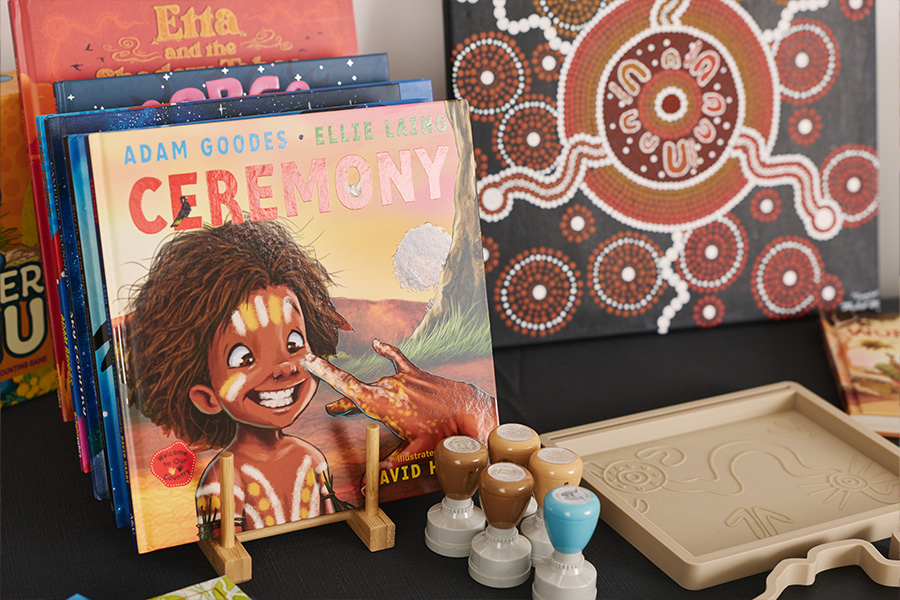
“We ship out hundreds of orders each fortnight. For packaging materials, I buy bubble wrap, honeycomb paper roll and packing tape in bulk online. When we exhibit our business at conferences and workshops, we use wire document holders, which are perfect for holding our children’s books and educational card games. In the office, we use ink cartridges and printer paper, and repeat the order so we never run out of ink, despite our high printing needs each week.”
