


Tired of household bills cluttering the kitchen bench? Or your children’s laptops and homework books taking over the dining room table? If this is sounding all too familiar, you are not alone. With a shift towards smaller floorplans and multigenerational homes, many households find themselves trying to strike a balance for the needs of work, study and family life. The good news? Creating an effective workspace isn’t about having a dedicated room, it’s about optimising the space you already have. Discover these easy and practical ideas to help transform your home’s small spaces into a flexible zone for everyone at home.
Where’s the Best Place to Create a Study Nook or Home Office Space?
The first step in creating a functional workspace is deciding who will be using it and how. If it’s a study spot for the kids, then a quiet corner in the bedroom makes perfect sense as an area where they can concentrate and do their homework.
For a multifunctional space, such as for working from home or managing the family admin, look to underutilised areas such as living-room niches or stairway landings. These often-overlooked spaces can be easily converted into productive alcoves with the right furniture and office accessories.
What Furniture Works Best in a Study Nook or Small Home Office Space?
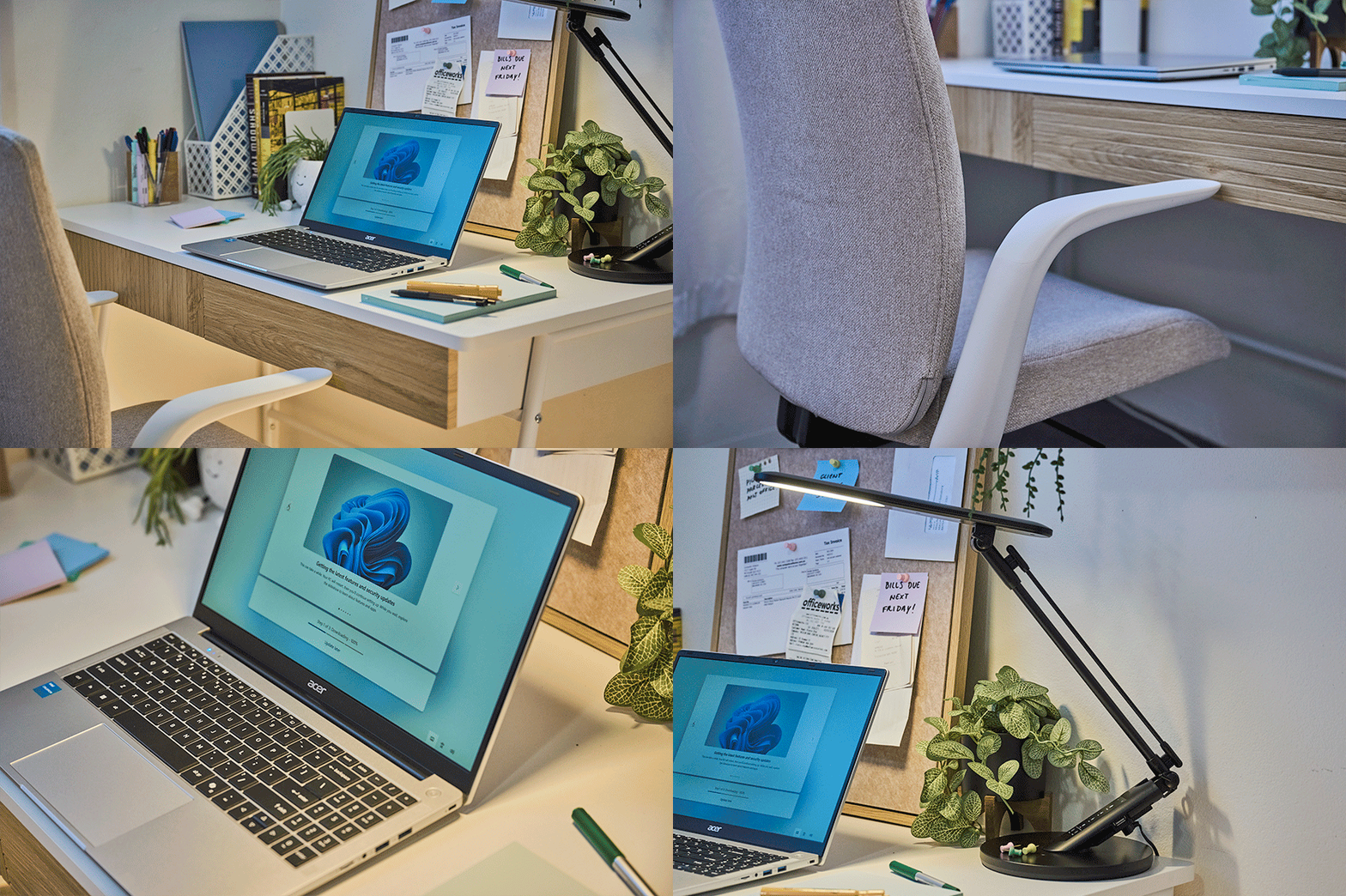
The hero pieces in any workstation are the desk and chair, so it pays to choose furniture that suits both your needs and the size of the available space. For a nook in a shared room, look for streamlined, compact designs. For example, a slimline office chair or ottoman can tuck neatly under a desk, while a fold-away or retractable desk can be packed away when not in full-time use.
While a workstation may function as a separate zone, it should still feel connected to the rest of the room. Choosing furniture and finishes that complement the existing decor will create a greater sense of flow and help the workspace feel intentional rather than an afterthought.
Organisation is equally important. Clever storage solutions such as drawers, desktop organisers and cable management systems can help keep clutter at bay and prevent the area from becoming a dumping ground. A well-organised workspace not only looks better but can also improve productivity.
What to Try
- Studymate Vinci 2 Desk Drawer Oak and White
- Otto Kronborg Ergonomic Chair Natural
- Flick LED Desk Lamp with USB Charging Port
- Acer 14” Aspire Lite Notebook Ryzen 3 8/25GB
How to Use Wall Space to Make a Small Room Work Harder
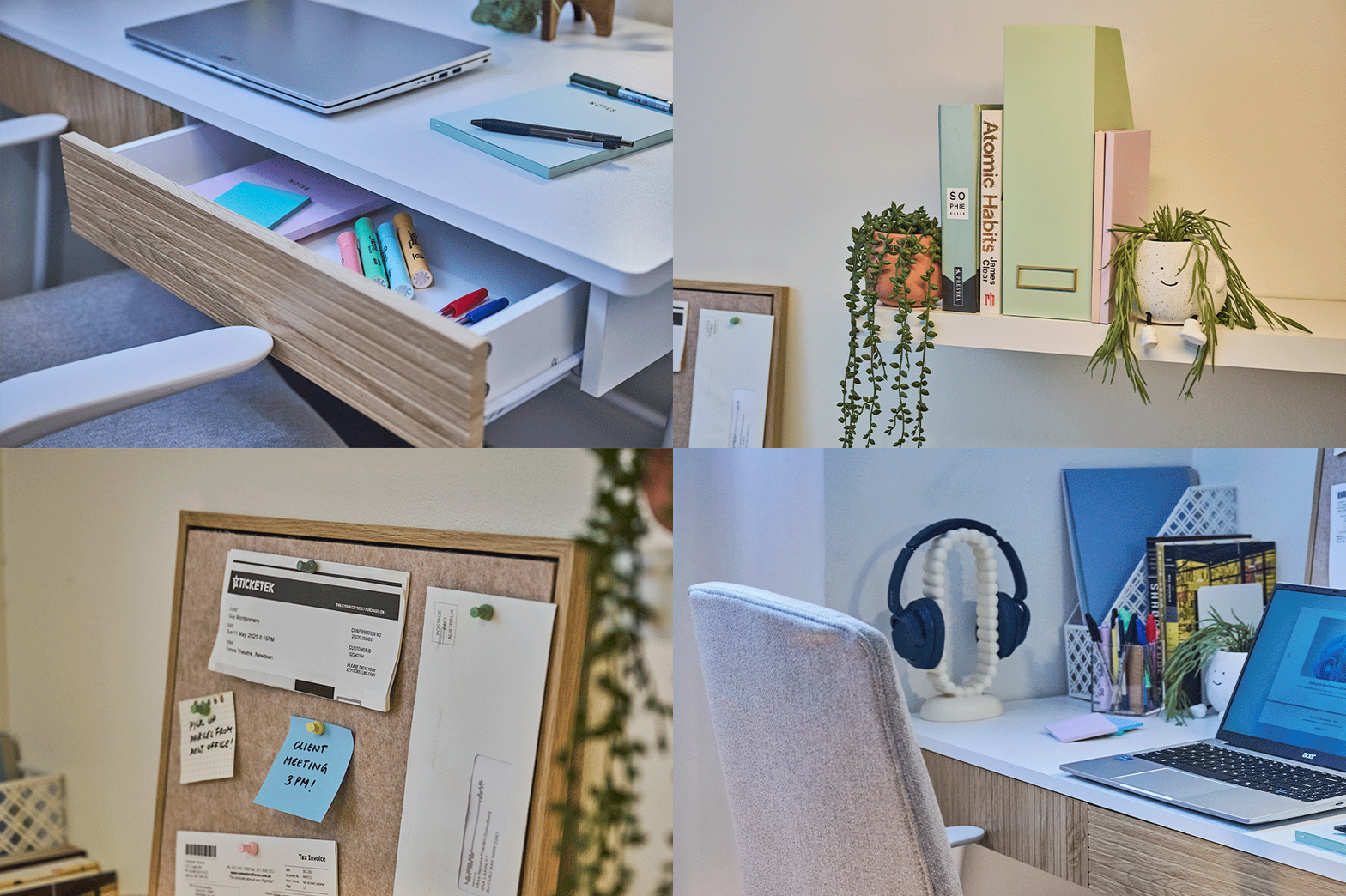
When putting together a study area in a small bedroom, consider furniture with built-in storage. By investing in a desk with drawers, you can immediately help reduce clutter spilling across the room.
If floor space is limited, consider utilising available vertical space, such as a desk with a fitted hutch. Anything that extends storage upwards while freeing up floor space will help the room feel less crowded. Accessories such as floating shelves or a felt pinboard can also be practical and stylish additions.
A layered approach maximises the functionality of the room. The key takeaway when dealing with limited space is to build upwards, not outwards. This ensures valuable floor space is not wasted and that every surface is used while remaining calm and considered.
What to Try
- Horsen Floating Shelf 1100mm White
- Otto Acrylic Pen Cup Cork
- Sharpie Tank Highlighters 6 Pack Pastel
- Otto Eclectic Pop Headphone Stand
- Post-it Super Sticky Notes 76 x 76 mm Blue Hour 3 Pack
SEE ALSO: Stylists’ Guide to Transform Your Home Office

How to Organise Small Spaces for Work and Study
When space is limited, the best way to stay organised is to ensure everything has a designated home. A desk drawer can house pending paperwork, while folders and filing systems are useful for storing completed documents and keeping important records within reach but out of sight.
Everybody loves an excuse to shop for stationery so take it as a sign to stock up on a few practical essentials. A pen cup, sticky notes, drawer organisers and a daily planner can help keep everyday tasks organised and prevent clutter from building up on your desktop. Having a strict 'only essential items on the desk' rule will also help.
Finally, make a desk reset part of your routine. Whether it’s a quick daily tidy, a weekly refresh or a quarterly declutter, regularly reviewing paperwork, cables and office supplies will prevent the workspace from becoming overwhelmed and help keep your space efficient.
What to Try
- Otto Wooden Push Pins 80 Pack Pastel
- Otto A5 Colour Block Notebook Pastel Pink
- Otto A5 Colour Block Notebook Lavender
- Otto A5 Colour Block Notebook Pastel Green
- Otto Diamond A4 Magazine File White
- Otto 2-Tone Manila Folders Foolscap Assorted 10 Pack
- Papermate InkJoy 100 Ballpoint pens
- Otto Metal Bookends Medium White
SEE ALSO: Under $10 Desk Accessories to Upgrade Your Workspace

How to Style a Study Nook or Small Home Office
Once the practical elements are in place, it’s time to focus on styling. Adding personality to your work-and-study area will help create a space that feels inviting while giving it a polished and cohesive finish. This can be done by introducing some wall decor, lighting, indoor or artificial plants and decorative accessories that reflect your personal style.
Feeling stuck with decision fatigue? Look no further than the 60-30-10 styling principle as an easy guideline. This approach divides a room into three colour proportions to create a balanced and harmonious look.
The dominant colour should make up approximately 60 per cent of the space and is typically represented through the walls, flooring and larger furniture pieces. A secondary colour accounts for around 30 per cent and can be introduced through accessories, soft furnishings or a statement furniture piece, such as a sage green office chair. The remaining 10 per cent is reserved for an accent colour, which adds interest and personality through smaller decorative details. Think metallic finishes, colourful stationery and artwork or decorative objects in a contrasting tone.
When applied thoughtfully, this simple styling rule can help transform even the smallest workstation into a space that feels considered, functional and visually appealing.
What to Try
- Otto Felt Memo Board 600 x 450mm Beige
- Otto Floral Pen Cup
- Otto Trailing Plant Tiny Human Green
- Otto Footed Plant Pot with Artificial Plant
