


Australia is home to some of the most unique and diverse plant life in the world. From towering eucalyptus trees to delicate and fluffy blossoms, there’s a whole world of wild nature waiting right outside your door. Discover some of the ways you and your little ones can explore the outdoors: encourage exploration and learning about Australian native flora with nature walks, then inspire their creativity with some nature art activities. They can try their hand at creating a flower wall hanging, a nature bracelet and a leaf mobile, and have a lasting memento of their outdoor adventures.
How to Turn Family Strolls into Nature Walks
Why not turn your next weekend walk into something more than just a stroll? With a little curiosity and creativity, your local bush trail, park or even your street can become a fun educational tour.
Encourage Your Kids to Explore Australian Native Flora
Get your little ones engaged on your nature walks by asking them questions about their surroundings and what they find.
- How does this leaf feel? Is it waxy, spiky, feathery or soft?
- Does this flower smell? What does it smell like?
- What can you hear? Is it a stream, birds, wind in the trees?
- How many petals are on this flower?
Hot Tip: Not sure what you’ve found? Snap a photo and use a visual search tool such as Google Lens to identify the plant’s common and scientific names. For example, that yellow puffball you found might be Acacia pycnantha: Australia’s floral emblem, the Golden Wattle!

Learn About Indigenous Connections to Nature
Plants aren’t just pretty – they often have deep cultural significance. Many native species are important bush foods, medicines and tools for First Nations communities. Aboriginal and Torres Strait Islander knowledge is rich and diverse: always seek out information from credible sources and never take plant material from sacred or protected areas.
Here are some useful resources to help you on your journey:
- Learn about the world of bush food: Gardening Australia: Bush Foods
- Discover the uses of native plants: Gardening Australia: Aboriginal Heritage Plants
- See how many of these natives you can find: Aboriginal Plant Use Trail
- Find out about trees with medicinal properties: 5 Culturally Significant Trees Used in Aboriginal and Torres Strait Islander Medicine
Discover Nature’s Secret Colour Code
Next time you’re out walking through your neighbourhood, a park or even your own backyard, take a closer look at the colours around you: nature may be using them to send secret signals!
- Purple = nectar When you spot a purple flower, it’s often a sign that it’s packed with nectar, which is a favourite for butterflies, bees and other pollinators. Many insects can see ultraviolet light, which makes purples and violets so appealing to them.
- Red calls to birds Birds, especially nectar feeders like honeyeaters and lorikeets, are drawn to red flowers. Unlike bees (who can’t see red very well), birds are especially tuned into reds and oranges. So a flash of those bold red petals is like a giant “eat me” sign, just for them.
- Yellow says “bees welcome” Bees love yellow! Flowers in sunny shades often signal easy-to-eat pollen and nectar. If you see a daisy or sunflower, look closer – you might see a bee collecting food to take back to its hive.
Try This: Go on a colour hunt and take photos or sketch the flora and fauna you find. Use your discoveries to make a scrapbook showing what colours you saw and which animals liked them best.
SEE ALSO: STEM Activities for Preschoolers that Teach Problem Solving
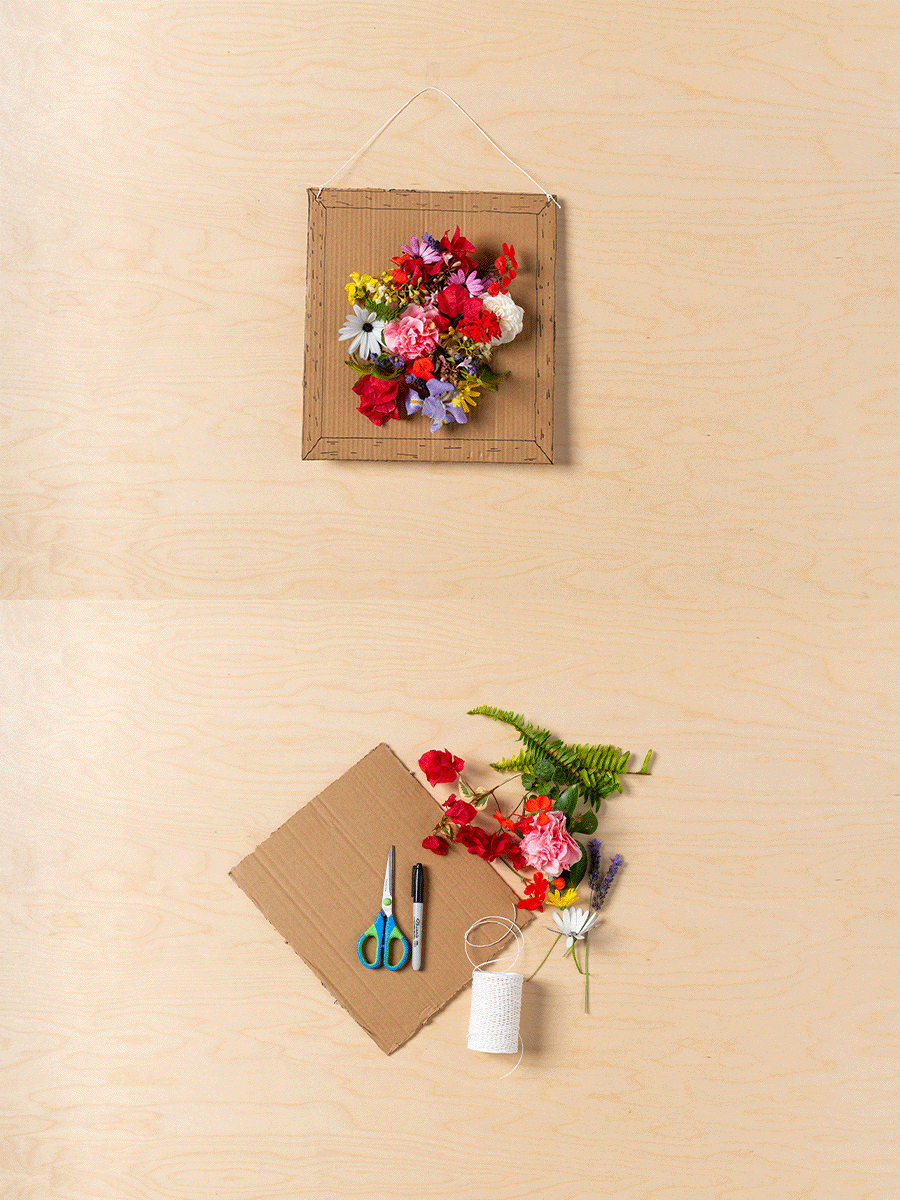
How to Make Wall Art From Your Nature Walks
Suitable for Ages 3+
You’ll be amazed by the wide array of nature that can be found in your own backyard. So head out on a fine day, with a pair of scissors, a piece of cardboard and a curious mind. Just remember, to help our local bees and other wildlife, and to keep our parks beautiful for everyone, only collect flowers from your own garden, or from a friend’s or neighbour’s (with permission, of course). Be sure to follow the guidance of your local state/area and do so in a responsible manner that adheres to local regulations.
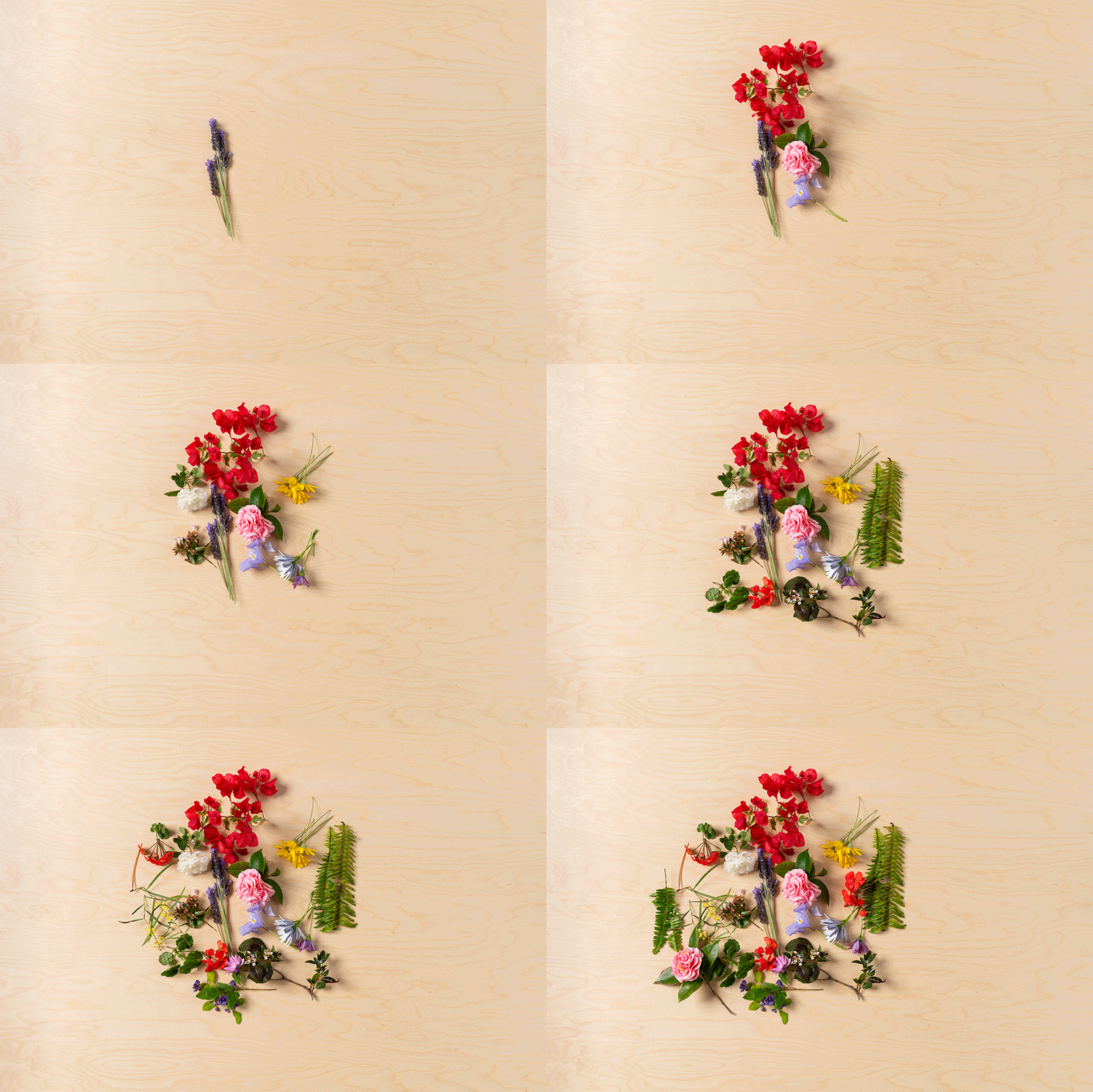
Step 1: Head out to your backyard and gather a collection of fabulous foliage and beautiful blooms.
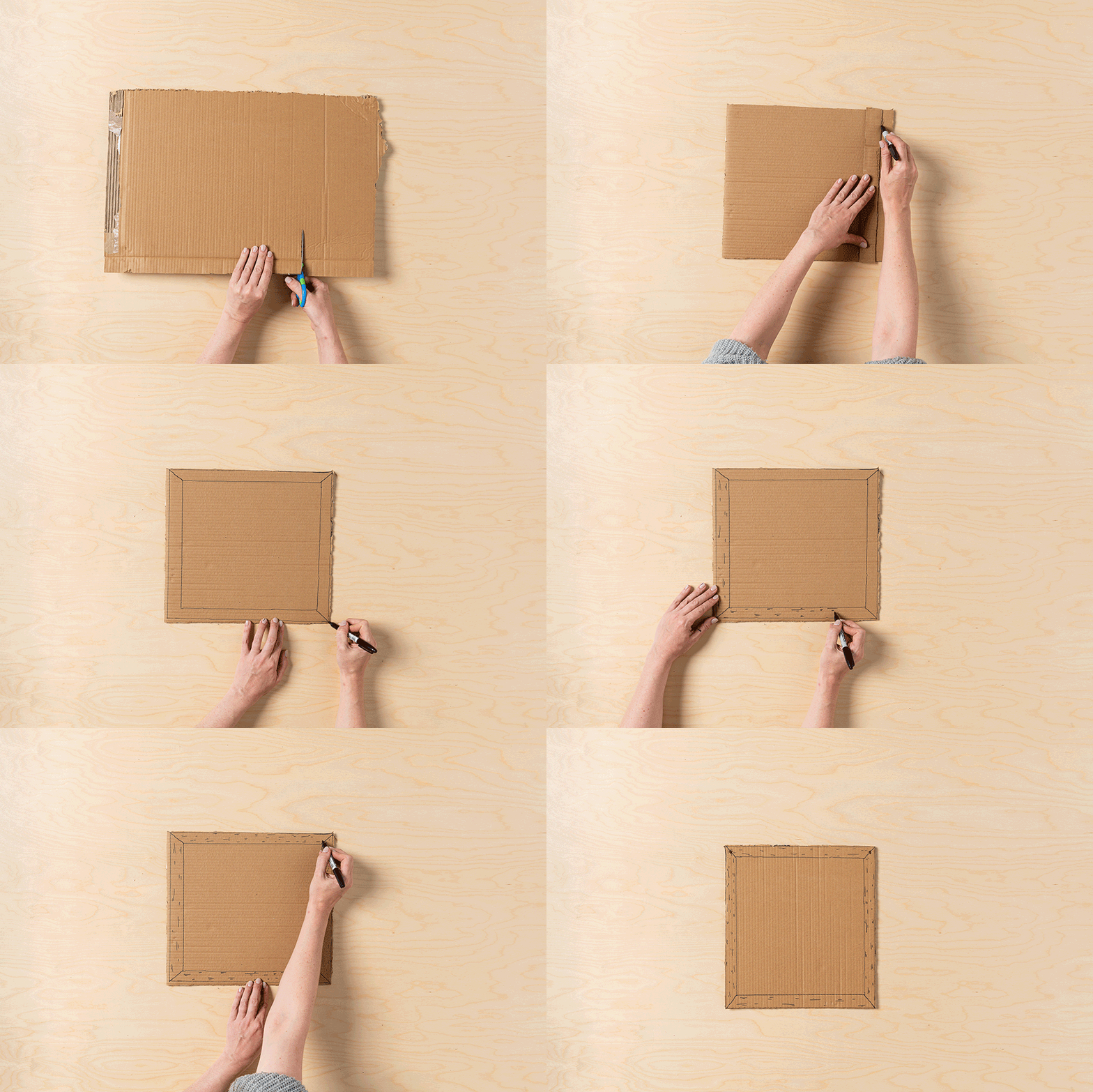
Step 2: Cut a square out of recycled cardboard to create your base.
Step 3: Use a black marker to draw a frame around the edge of the square.
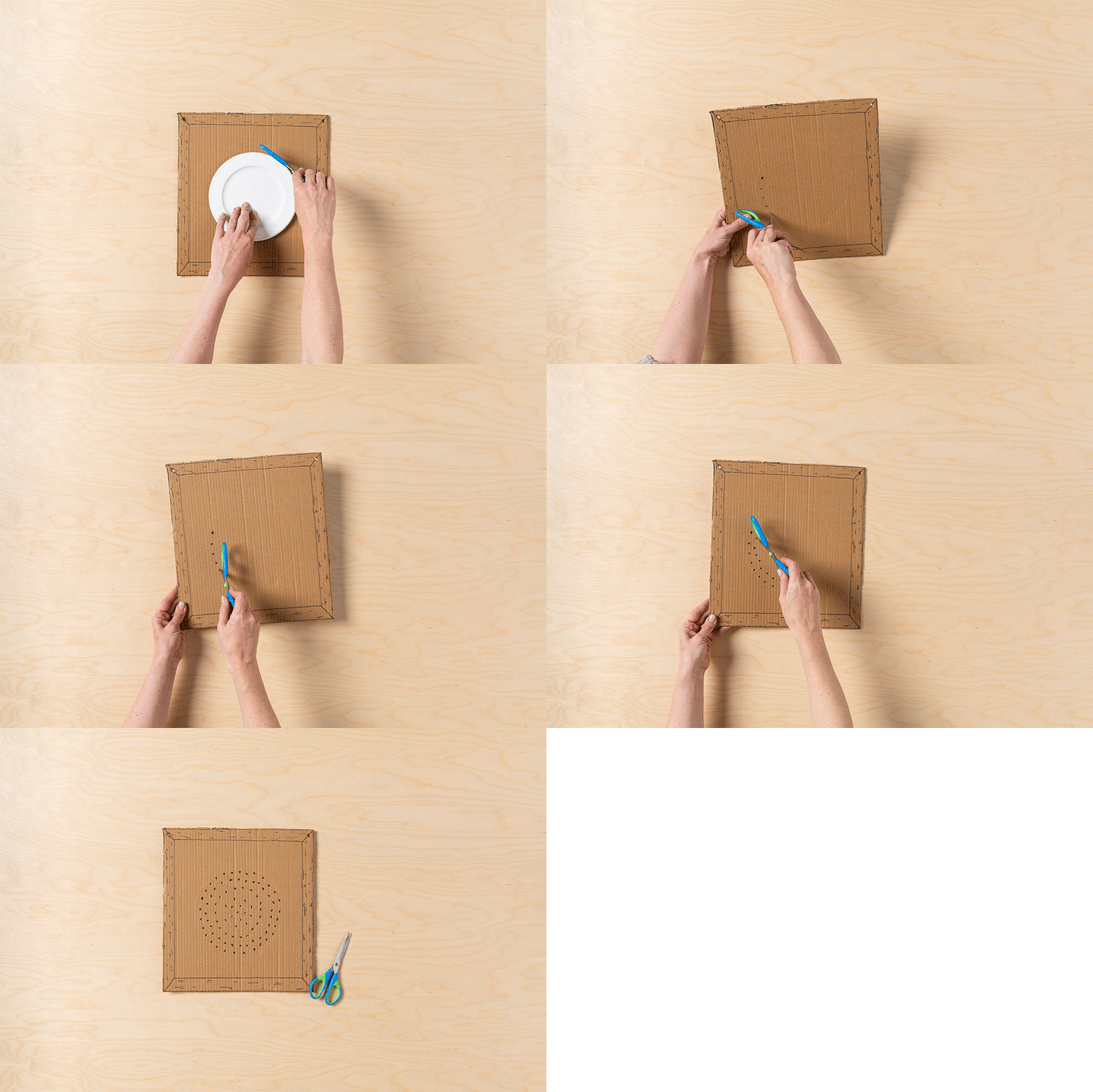
Step 4: Trace a bowl or plate to give yourself a round guide for your flower display.
Step 5: Using the tip of scissors, poke holes throughout the circle, giving yourself lots of places to push flowers through. Younger kids will need adult hands to help with this step.
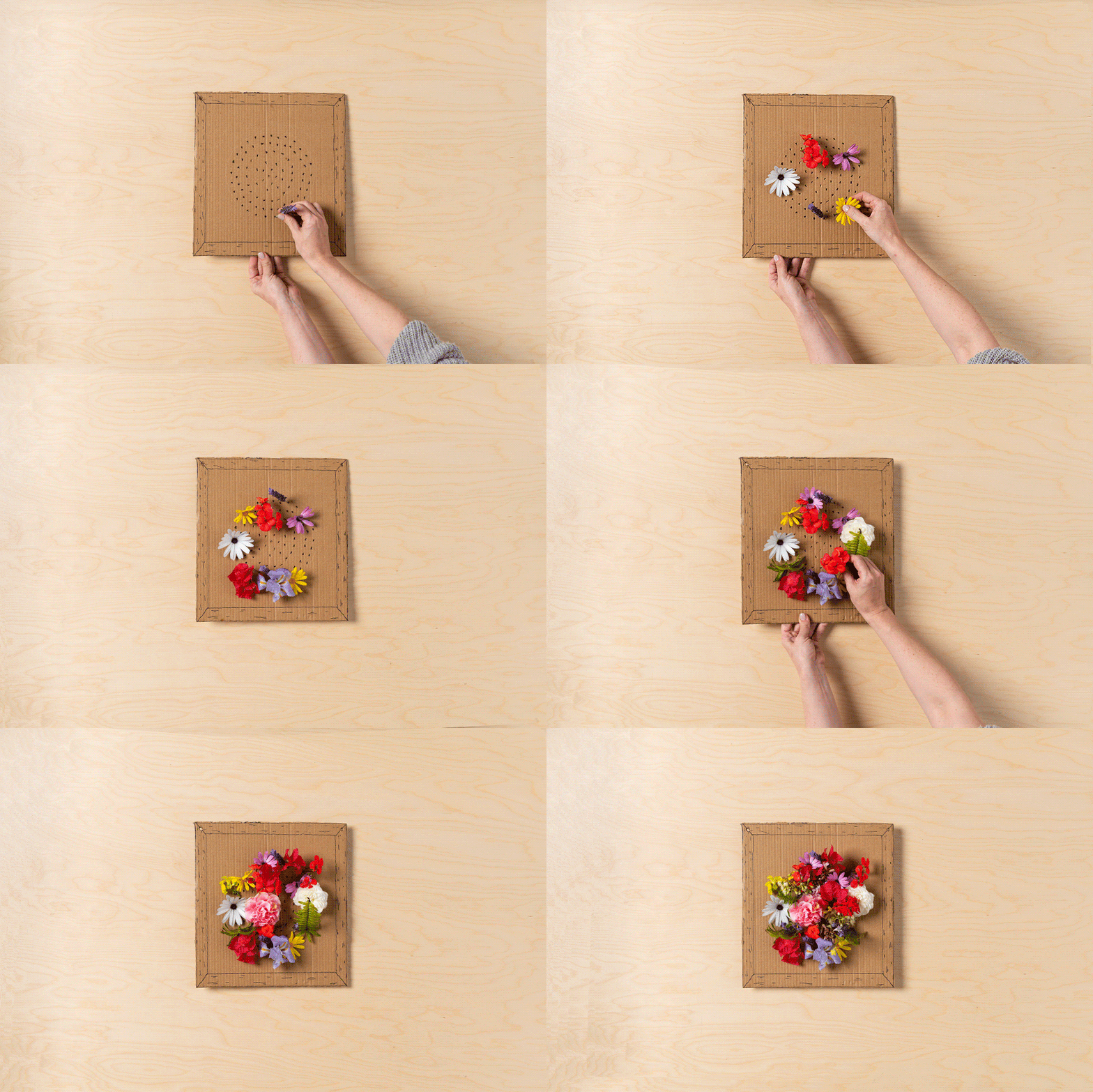
Step 6: Take your flowers and start gently pushing them through the holes. Hold the flower near the head, and not at the very end of the stem, where it can be soft.
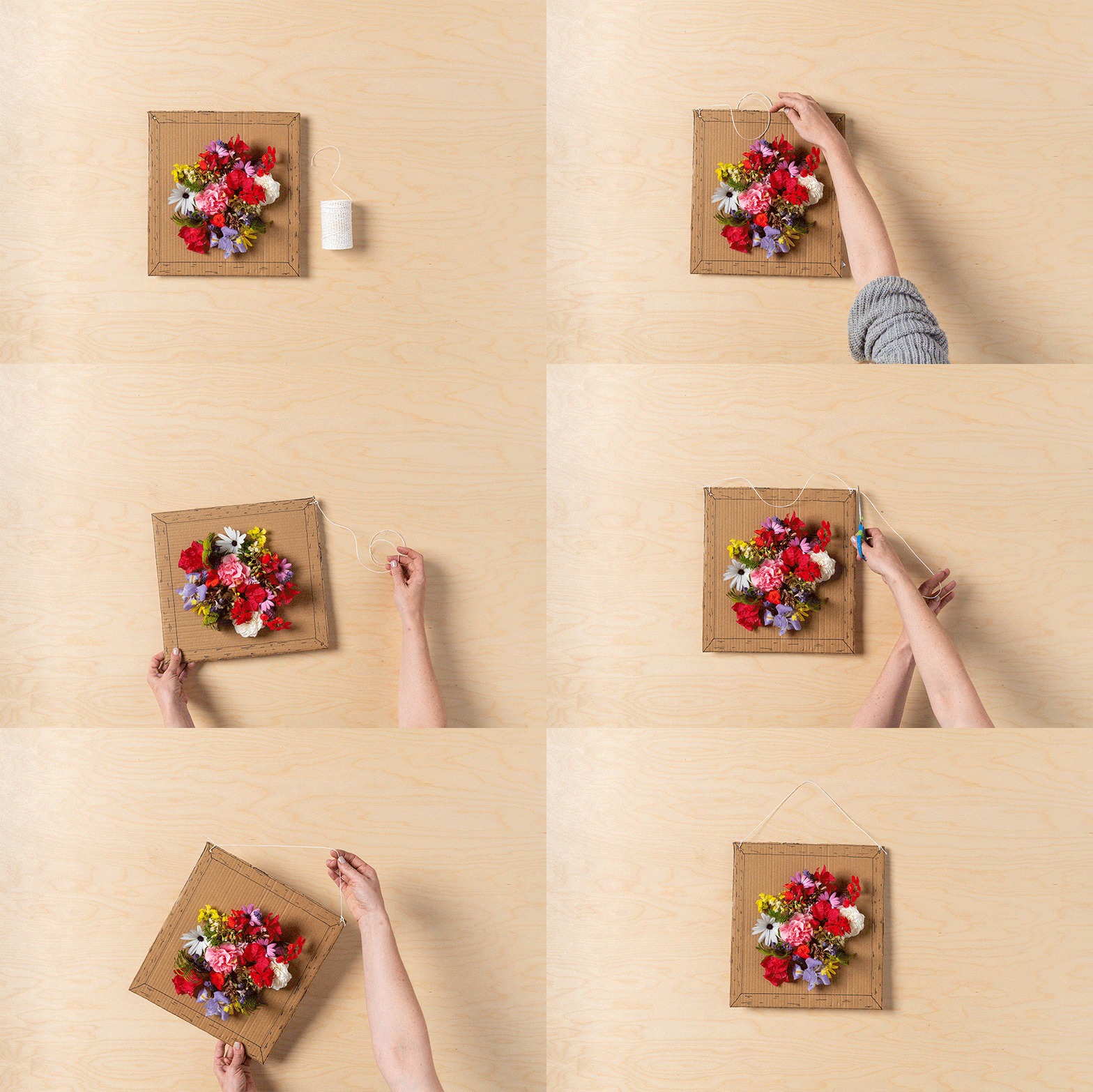
Step 7: Thread twine through two holes at the outer corners of your square and tie a knot on each side.
Step 8: Display your wall hanging!
What You’ll Need
- Sharpie Fine Permanent Marker Black
- Studymate Soft Grip Scissors 6"/152mm
- Gift Packaging Paper Twine 2mm x 100 m White
SEE ALSO: Fun NAIDOC Week Craft Ideas to Celebrate Indigenous Culture
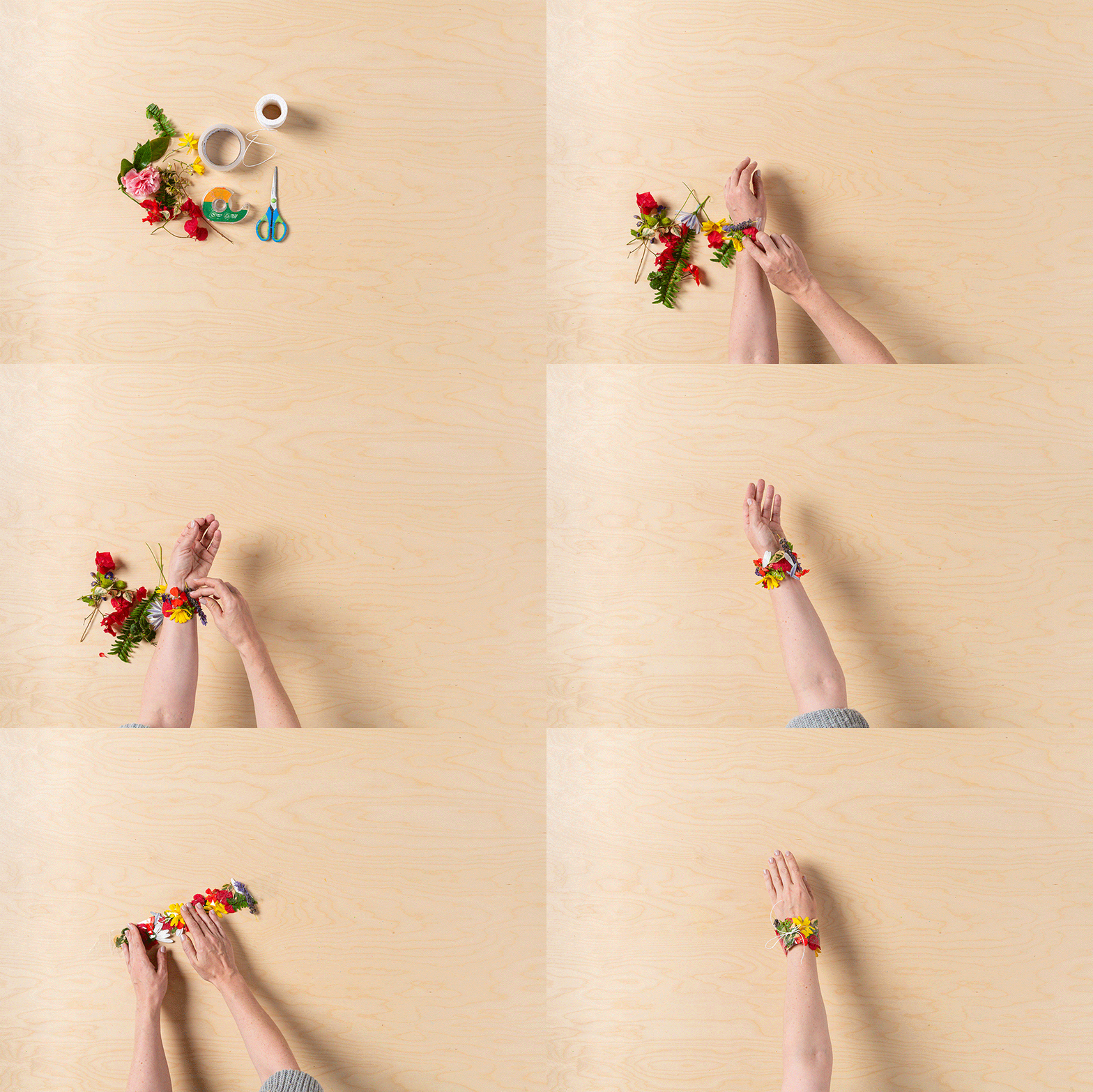
Try This: Use clear packing tape to make an awesome nature bracelet. Simply wrap it around a wrist, sticky side up, then press flowers and leaves directly onto it. Once it is filled up, use another piece of tape to ‘seal’ it together. Add string on each end to make your bracelet re-wearable or add string or ribbon to the top end and hang it on the wall.
How to Make a Rainy Day Leaf Mobile
Suitable for Ages 3+
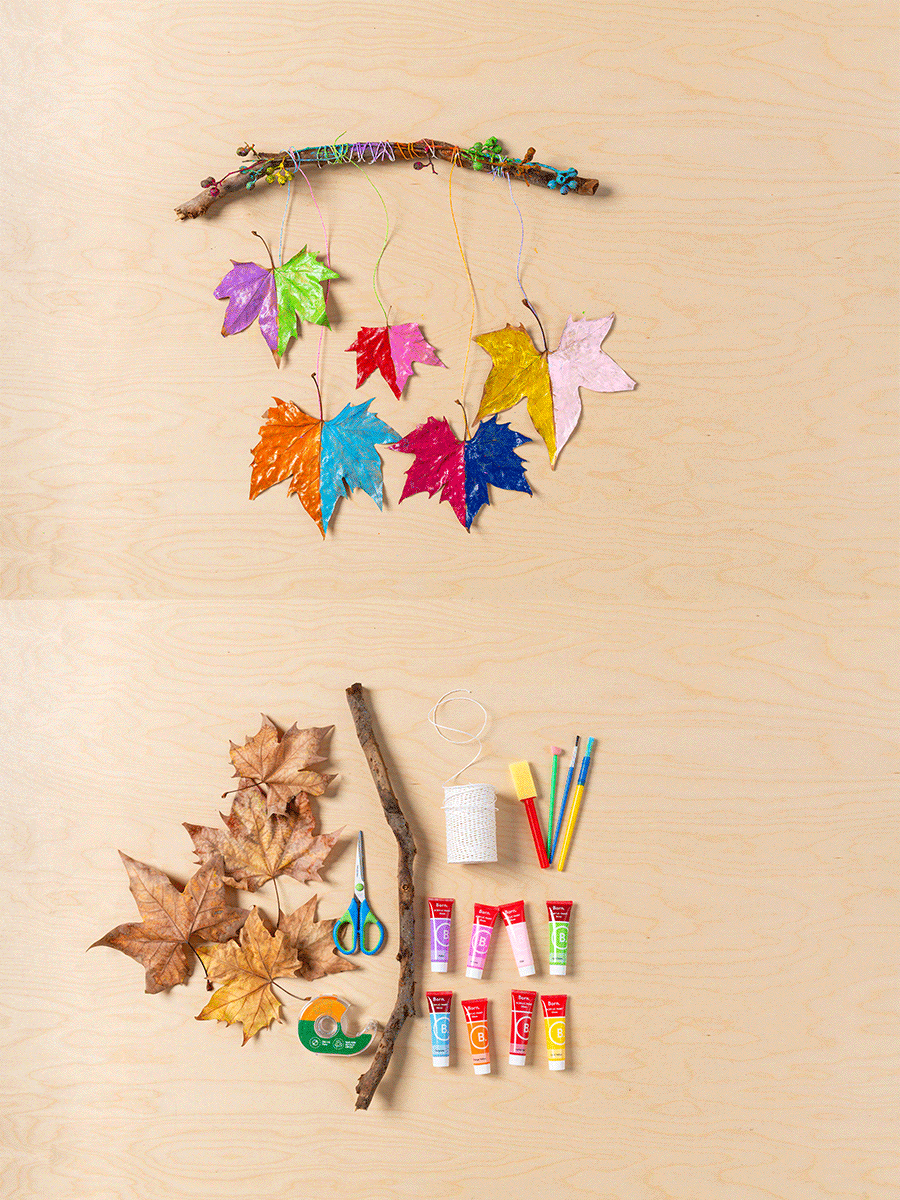
Bring a little bit of your outdoor adventures indoors for a rainy day. When the weather turns and you‘re stuck inside, all you need is a stick, some twine, paint and sticky tape to create a unique mobile. The key to this craft is to collect leaves whenever you find them and keep them in a box. It’s harder to use soggy leaves found on a rainy day, than lovely, crisp and crunchy ones you found last week.
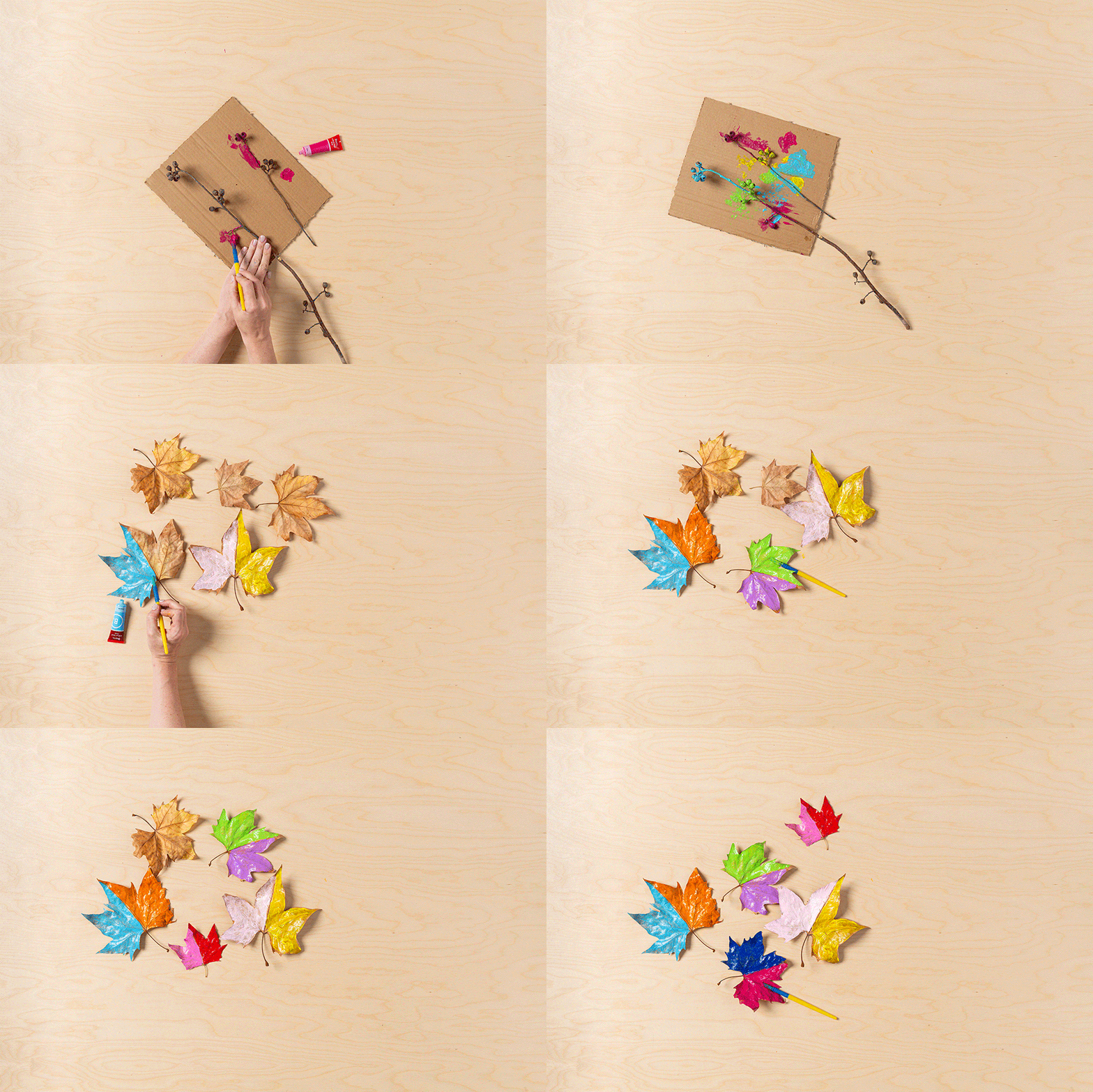
Step 1: Take your leaves and get creative, painting them in all of your favourite colours. Set these aside to dry completely.

Step 2: Wrap twine around and along the length of your stick. Paint the twine and stick to create a colourful finish.
Step 3: To create a variety of heights for your leaves, cut different lengths of twine.
Step 4: With your favourite shade of paint on your finger tips, colour your twine by running your finger tips along the string while also flattening out creases. Leave to dry.
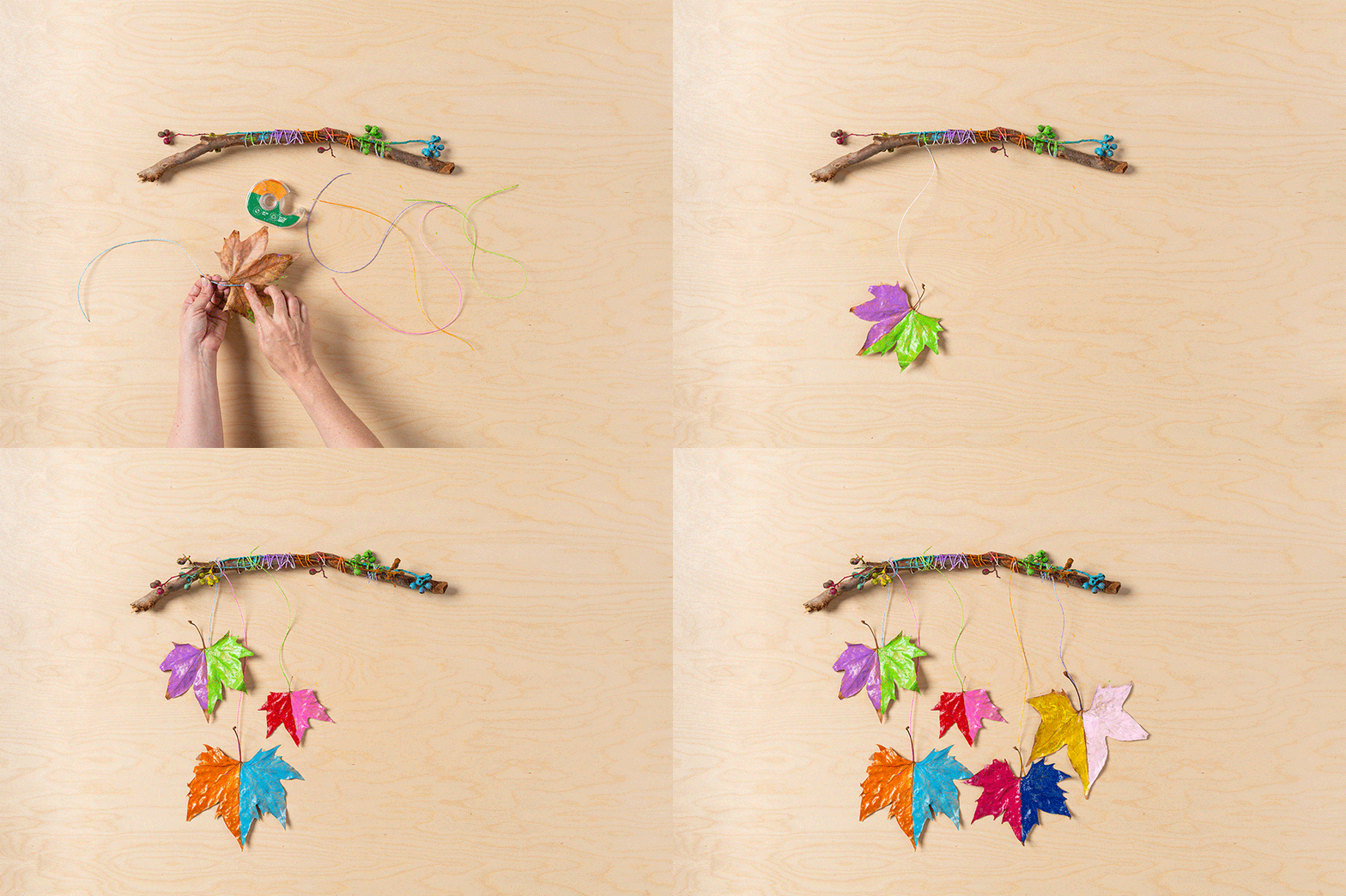
Step 5: Use a small piece of sticky tape to attach the back of your painted leaf to the end of a piece of painted twine. Repeat this step for all your leaves and twine.
Step 6: Once you have added twine to each leaf, securely tie the other end of your twine to the stick.
Step 7: Either add a length of twine, knotted to each end to hang your mobile on a hook, or place it on the edge of a shelf and let the leaves dangle down.
What You’ll Need
- Born Acrylic Paint Set 40 Pieces
- Kadink Assorted Paintbrushes 15 Pack
- Gift Packaging Paper Twine 2mm x 100 m White
- J.Burrows Recycled Clear Tape with Dispenser 18mmX25
