


There are currently around 2.7 million small businesses in Australia, with only 1 in 3 surviving that tricky first year. It’s well known that the first 12 months of a startup can be a make-or-break time, so the tried-and-tested business tips from those who have made it are worth paying attention to.
From what to outsource to learning not to overthink decisions and why customers are always the key, we’ve tapped into the collective wisdom of successful small business owners to find out the biggest lesson they learned in moving past that first crucial year of building a business.
Done is Better Than Perfect

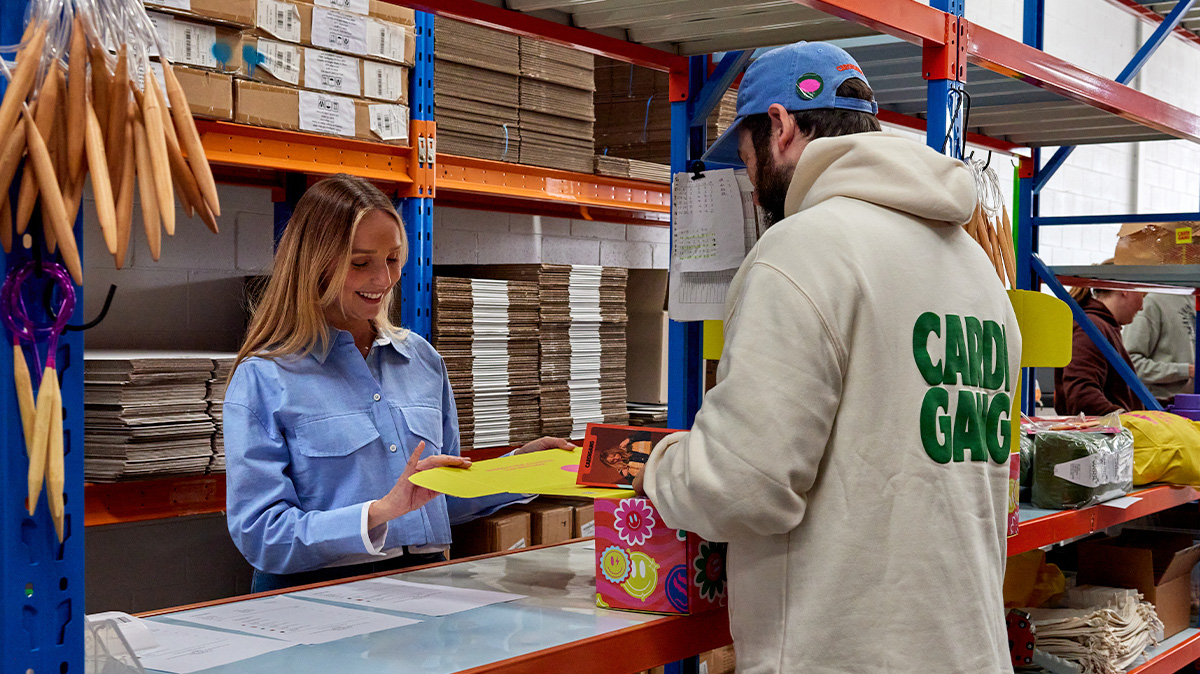
Who: Morgan Collins and Cat Bloxsom, founders of Cardigang knitting and crochet kits for beginners new to the craft but keen to get started.
“We spent far too much time worrying about things that ultimately didn’t matter: the website wasn’t perfect; the packaging wasn’t perfect. Customers didn’t care nearly as much as we did. They cared about whether the product solved a problem and delivered a great experience. One customer told us they bought a kit because they wanted to learn to knit, but stayed because they felt supported throughout the process. That completely changed how we thought about the business. We realised we weren’t just selling yarn and needles; we were helping people learn a new skill and build confidence. From that point on, customer education and support became just as important as the products themselves.”
The Moment It Became Real
“The first order from someone we didn’t know. Friends and family are supportive because they know you, but when a complete stranger finds your business online… We still remember seeing that first notification come through and thinking, “Wait, someone actually wants this.”
SEE ALSO: Expert Tips on Starting a Side Hustle
Beginner’s Mindset is a Strength

Who: Ethan Yong, founder of UmamiPapi, a chilli business that started in a home kitchen which now has its products stocked in major retailers across the country and shipped globally.
“Naivety was my biggest asset. I didn’t know enough about the industry to be scared of it. I wasn’t overanalysing every decision through a risk lens, I was just moving, trying things, and course-correcting when something didn’t work. That speed of action in the early days created momentum that a more experienced version of me probably would have killed by overthinking.”
The Moment It Became Real
“Surprisingly, it wasn't seeing it in [a major supermarket retailer] or landing a big contract; it was receiving an opportunity to stock UmamiPapi at a small Asian grocer and seeing our chilli oil sitting on the shelf. There was something about seeing it physically on a store shelf that made me think, this has true potential. It can be more than just an ecommerce product.”
Aim for Consistency and Persistence

Who: Angie Norman, founder of The Botanical Workshop, a Sydney-based florist that started out with a bricks-and-mortar store before moving to an online model.
“My biggest learning was that progress doesn’t always happen in a straight line. There were plenty of setbacks and moments where things didn’t go to plan, but every challenge taught me something valuable. Consistency and persistence matter far more than perfection. [For example], as a small business owner, I’ve learned that you don’t have to be an expert in everything. Sometimes the best investment you can make is bringing in people who have strengths in areas where you don’t, allowing the business to grow more efficiently and professionally.”
The Moment It Became Real
“I took over a business that I had already been working in, so there wasn’t one big launch moment. For me, it started to feel real when I redesigned and redecorated the store. Putting my own vision, style and personality into the space made me realise I wasn’t just working in the business anymore – I was responsible for it.”
Act on Customer Feedback and Develop Key Relationships

Who: Elisha Kissick, founder of Yura Tours, a touring company based in Stradbroke Island.
“A [regular] piece of customer feedback I received was that people wanted to see more than what I was offering on the one walking tour; they wanted to see more of my island and know the stories attached to other areas. So I developed a driving tour, which is now one of my key experiences. I also said yes to every opportunity and built great relationships with key tourism organisations to help with in-kind marketing. They had the reach and I had the product so it worked well.”
The Moment It Became Real
“Getting my first booking, and also having my business registered and branding done with business cards and brochures.”
SEE ALSO: Work From Anywhere: How to Create Your Ultimate Remote Work Setup
Find Your Brand Story

Who: Hamish Ta-mé, founder of Bowral Honey Farm
“My biggest learning was that the story around the product is almost as important as the product itself. Honey is beautiful, but when people understand the bees, the seasons, the flowers and the landscape it came from, they value it differently. That changed the way I thought about everything, from pricing to packaging to the customer experience.”
The Moment It Became Real
“It started to feel real when people began arriving not just to buy honey, but to understand the story behind it. Seeing guests standing around the hives, tasting different honeys and asking thoughtful questions made it clear this was more than a product business. It was becoming a place people wanted to visit, remember and talk about. Added to this was when it was announced as the highest-ranked experience in Australia on the Airbnb Experiences platform, which was something I never expected and found incredibly exciting.”
How to Use the New (Financial) Year to Reset Your Small Business
It may not have the fanfare and fireworks of January 1st but for many business owners the beginning of a new financial year is often when the true new year starts. Here’s how to make it the perfect time to get organised.
Conduct a Review
“I use the start of a new financial year as an opportunity to review what worked, what didn't and where I want to focus my energy. I set revenue goals, review expenses, update budgets and look at opportunities to improve systems and customer experience. Having a clear plan helps me to stay focused throughout the year.” – Angie
Set Your Goals – and Keep Them Concise
“I make a printed one-page plan for the priorities I’m actually committing to. Simple, but the discipline of writing it down and keeping it short forces the right decisions.” – Ethan
Focus on Customer Acquisition
“Understanding where customers are coming from, what it costs to acquire them, and which channels are performing best helps inform almost every other business decision we make [throughout the year].” – Cat and Morgan
What to Try
- J.Burrows 12 Digit Desktop Calculator Pink
- Otto A5 Day to Page Two-tone Undated Diary 192 page Blue
- J.Burrows Undated Year Wall Planner
